Spain’s Esports Betting Crackdown: Why Promotions Face Scrutiny
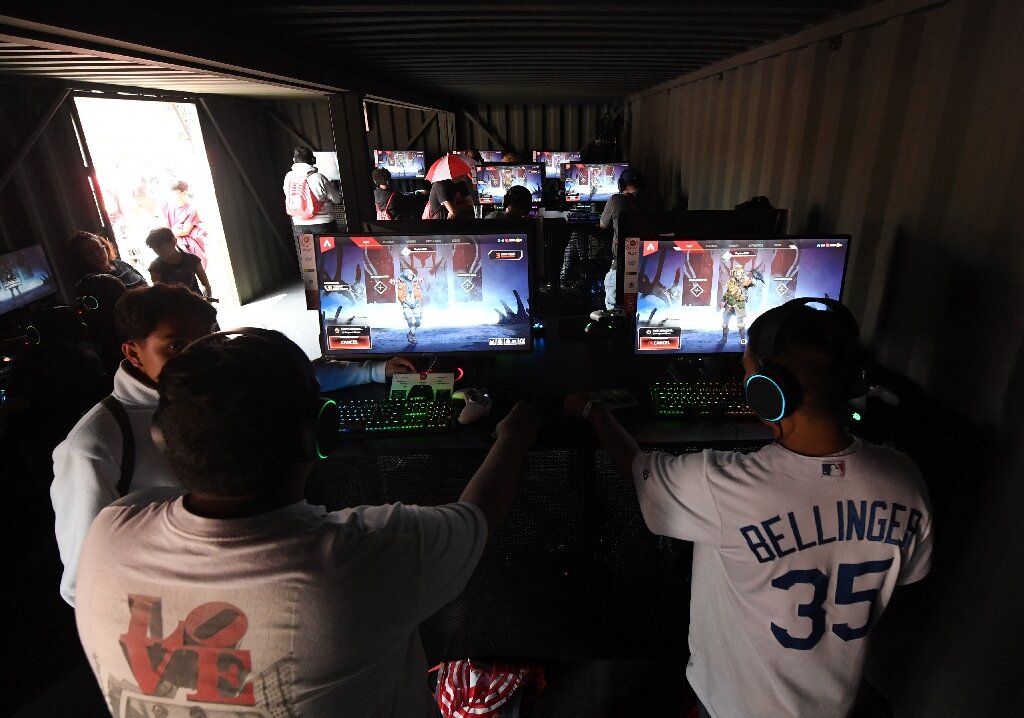
The Regulatory Storm Brewing in Spanish Esports Markets
Spain’s gambling regulator, the Dirección General de Ordenación del Juego (DGOJ), has thrust betting promotions back into the spotlight with unprecedented scrutiny that’s sending shockwaves through the esports betting landscape. The regulatory body’s latest enforcement actions have targeted promotional practices across multiple operators, with esports-focused campaigns bearing the brunt of their attention.
The timing couldn’t be more critical. With Spain’s esports betting market generating €847 million in 2026—a 34% increase from the previous year—regulators are grappling with how to balance industry growth against consumer protection concerns. The surge in popularity of titles like Valorant Champions and the upcoming League of Legends World Championship has created a perfect storm where promotional intensity meets regulatory skepticism.
What makes this particularly intriguing is how esports betting differs fundamentally from traditional sports wagering. The younger demographic, the digital-native audience, and the rapid-fire nature of esports events create unique challenges for both operators and regulators. When platforms like IviBet offer specialized esports promotions, they’re navigating an increasingly complex regulatory maze that’s evolving faster than the games themselves.
Decoding the New Promotional Restrictions Framework
The DGOJ’s updated guidelines, implemented in March 2026, have fundamentally altered how operators can structure their promotional offerings. The most significant change involves mandatory cooling-off periods between promotional campaigns—now extended to 72 hours for esports events, compared to 48 hours for traditional sports. This seemingly minor adjustment has massive implications for operators trying to capitalize on tournament momentum.
Consider the impact on major esports events: when a surprise upset occurs in a CS2 tournament, operators previously could launch immediate promotional campaigns to capture the excitement. Now, they must wait three full days, by which time the betting interest has often dissipated. Industry data shows that promotional engagement drops by an average of 67% when delayed beyond 48 hours of a triggering event.
The new framework also introduces stricter language requirements for promotional materials. All bonus terms must be displayed in Spanish with font sizes no smaller than 12-point, and any English gaming terminology must include Spanish translations. This has forced operators to completely redesign their promotional strategies, particularly for international tournaments where English remains the dominant language.
Behind the Scenes: What Triggered This Regulatory Response
The catalyst for Spain’s renewed focus on promotional practices stems from a controversial incident during the 2025 Worlds Championship. A coordinated promotional campaign across multiple operators offered escalating bonuses tied to specific tournament outcomes, creating what regulators termed “artificial betting pressure” among younger users. The campaign generated over €23 million in additional betting volume but also triggered 1,847 self-exclusion requests within a two-week period.
“We observed behavioral patterns that were deeply concerning,” explains Dr. Carmen Rodríguez, Senior Policy Analyst at the Spanish Gaming Research Institute. “Young adults were making increasingly irrational betting decisions driven purely by promotional mechanics rather than genuine sports interest. The gamification elements had essentially turned betting into a video game for some users.”
The regulatory response wasn’t just reactive—it was informed by comprehensive data analysis showing that esports betting promotions had a 40% higher correlation with problem gambling indicators compared to traditional sports promotions. This data, compiled from mandatory operator reporting, revealed that users who engaged with esports promotions were 2.3 times more likely to exceed their self-imposed deposit limits within 30 days.
The Economics of Compliance: Cost vs. Competition
For operators, the new promotional restrictions represent a significant shift in acquisition and retention economics. Pre-regulation, the average customer acquisition cost for esports betting was €67, with promotional campaigns driving 78% of new user registrations. Post-regulation, these costs have surged to €94 per customer, while promotional effectiveness has declined by 31%.
The compliance burden extends beyond simple cost increases. Operators must now maintain detailed promotional logs, submit monthly promotional impact reports, and undergo quarterly promotional audits. These administrative requirements have added an estimated €340,000 annually in compliance costs for mid-sized operators—a figure that smaller platforms struggle to absorb.
Yet some operators have found competitive advantages within the constraints. By focusing on educational content and long-term engagement rather than aggressive promotional tactics, certain platforms have actually improved their customer lifetime value metrics. The key lies in understanding that the new regulatory environment rewards sustainable growth over rapid acquisition.
Esports-Specific Challenges in the New Landscape
Esports betting presents unique promotional challenges that traditional sports simply don’t face. The compressed tournament schedules, the global nature of competitions, and the highly engaged but potentially vulnerable audience create a regulatory minefield. When Riot Games announces a surprise format change for Worlds, operators must navigate promotional adjustments within strict regulatory parameters.
The technical complexity adds another layer. Esports odds can shift dramatically within minutes based on in-game developments, team compositions, or even player equipment issues. Traditional promotional frameworks, designed around predictable sports schedules, struggle to accommodate this volatility. The result is often promotional campaigns that feel disconnected from the actual esports experience.
Language barriers compound these challenges. With Spanish players betting on Korean teams in tournaments broadcast in English with Spanish commentary, promotional materials must navigate multiple linguistic and cultural contexts while meeting strict regulatory requirements. This has led to some genuinely awkward promotional campaigns that satisfy regulatory requirements but fail to resonate with the target audience.
Industry Adaptation Strategies That Actually Work
Smart operators have discovered that regulatory compliance doesn’t have to mean promotional ineffectiveness. The most successful adaptation strategies focus on education-based promotions that provide genuine value while meeting regulatory standards. Instead of simple deposit bonuses, operators are offering comprehensive esports analysis, professional coaching content, and exclusive tournament insights.
According to María González, Head of Regulatory Affairs at Esports Betting Solutions, “The operators thriving under the new rules are those who’ve shifted from transactional to educational promotional models. Users want to understand the games better, not just get free money to bet with.” Her company’s data shows that educational promotions have 23% higher long-term engagement rates compared to traditional bonus offers.
Timing strategies have also evolved. Rather than reactive promotions tied to specific events, successful operators now run predictive promotional campaigns based on tournament calendars and player interest patterns. This approach allows for proper regulatory approval while maintaining relevance to the esports calendar.
The International Ripple Effect on Esports Betting
Spain’s regulatory approach is being closely watched by other European jurisdictions considering similar measures. The Netherlands has already announced plans to review its own promotional guidelines, citing Spain’s experience as a “valuable regulatory experiment.” This creates potential for harmonized European standards that could reshape the entire continental esports betting landscape.
The implications extend beyond Europe. With many esports tournaments featuring international audiences and global betting markets, Spain’s restrictions are influencing how operators structure their worldwide promotional strategies. A promotion that works in unregulated markets might violate Spanish standards, forcing operators to choose between market access and promotional flexibility.
For esports organizations and tournament operators, these regulatory changes represent both challenges and opportunities. While promotional restrictions might reduce overall betting volume, they could lead to more sustainable audience engagement and reduced regulatory risk for tournament partnerships.
Future-Proofing Promotional Strategies in Regulated Markets
Looking ahead, the most successful esports betting operators will be those who view regulatory compliance as a competitive advantage rather than a burden. This means developing promotional frameworks that work within multiple regulatory environments while still delivering genuine value to users.
The data suggests that sustainable promotional strategies focus on three key areas: educational content that improves betting decisions, community-building initiatives that enhance long-term engagement, and transparent communication about both opportunities and risks. These approaches not only satisfy regulators but also create more loyal, informed user bases.
As we move toward the 2026 World Championship season, expect to see continued evolution in how operators balance promotional effectiveness with regulatory compliance. The winners will be those who recognize that the new regulatory landscape isn’t just about restrictions—it’s about building more sustainable, responsible relationships with the esports betting community.